

Understanding Invasive Species and Their Impact on Forest Ecosystems
Invasive species find themselves in a landscape beyond their natural range. Silently at first, they weave their roots into places that will soon become out-numbered by a plant that was never meant to exist there. A small problem, you might think — yet one tiny seed landing in the wrong soil can unbalance an entire ecosystem, making it unfavourable to the species that belong to this indigenous landscape.
The magnitude of sustaining an ecosystem’s natural balance is second to none. Organic systems depend on one another to maintain equilibrium within the natural world. In layman’s terms — when the relationship between two natural elements falls out of balance, the land, its inhabitants, and the natural order of life suffer immeasurably. Yes — it’s that serious.
While it may seem counterintuitive to remove vegetation, the goal is restoration — returning balance to the land. The eradication of invasive species becomes a moral act when the intention is to breathe life back into the landscape, giving native species a real chance to thrive.
The removal of an invasive plant should be seen as a window of opportunity — letting native growth reclaim the space. Each act of restoration mirrors the breath itself: exhaling what no longer serves, inhaling into alignment.
According to the Irish Wildlife Trust, invasive species such as rhododendron ponticum pose a significant threat to Ireland’s native woodlands by reshaping the balance of the ecosystem.
The Decimation of the Rhododendron
The word spreads like butter through towns where the invasive species grow like wildfire. “The rhodo’s are a real problem here.” It’s a phrase that bellows across communities where the plants are hard to tame — a sign that the invasion isn’t just ecological but cultural. Pride is at play. There’s a patriarchal undertone, a call for the native gems of each nation to shine again.
Image: Rhododendron Ponticum
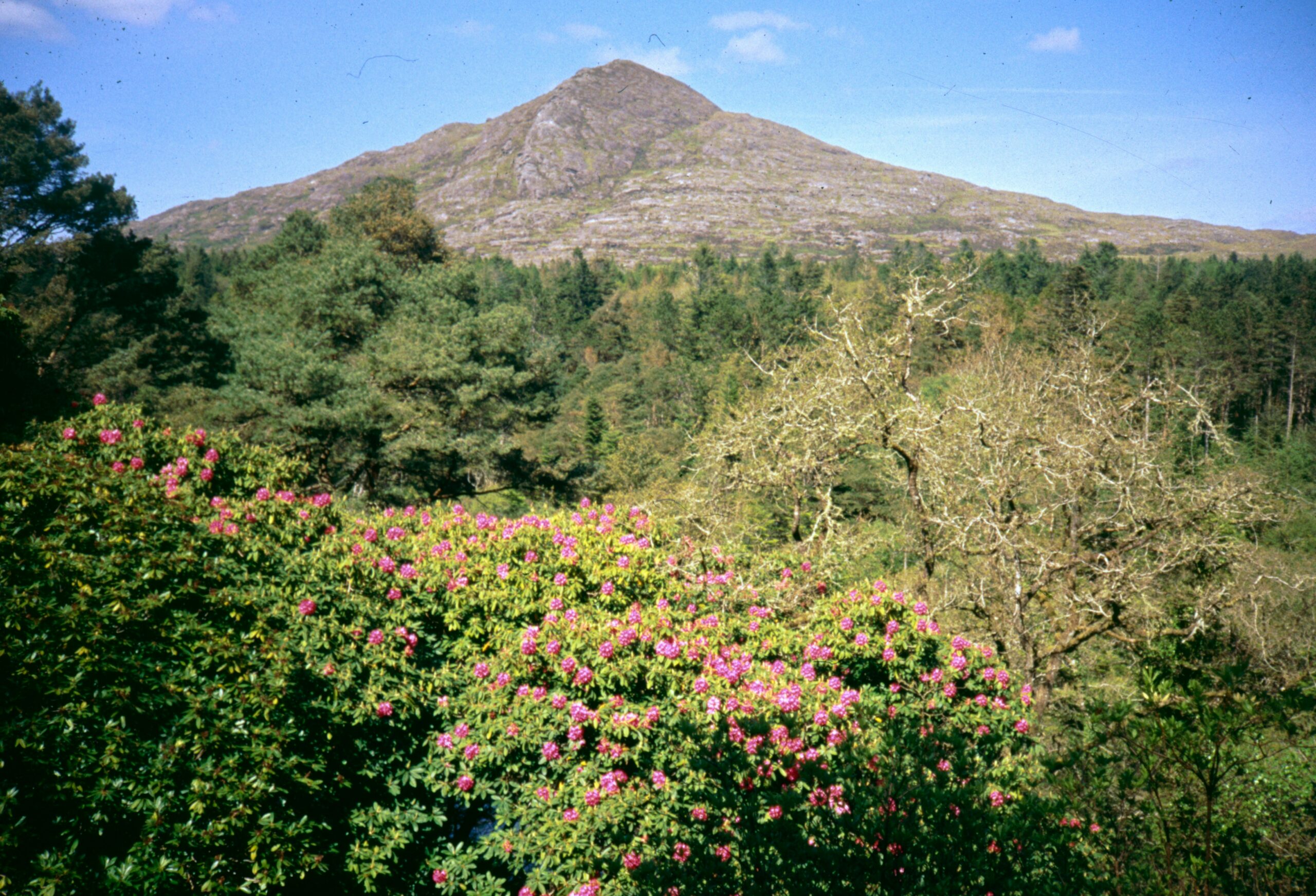
The decimation of the rhododendron is not only ecological but visual. Its vivid purples and waxy greens jar against the muted palette of Irish and UK’s native woodland — the soft moss, the silver birch, the quiet fern. The colour feels foreign, almost theatrical, as if the forest were forced to wear a costume that doesn’t belong to its story.
The Sessile Oak
The sessile oak is the backbone of Ireland’s native woodland and across continental Europe. A host for mosses, lichens, and countless insects. When its seedlings fail, the forest’s future falters.
The grandness of the Oak Tree falls flat under the shade of the Rhododendron Ponticum. Its potential greatness, succumbs to a plant of a different origin. The seedlings that are just babies ready to blossom, barely get the chance to see the light.
The Ponticum dense canopy effortlessly blocks up to 95% of sunlight that is imperative for seedling development. When a plant is depleted In the nutrients it requires for growth, the problem amounts to a life threatening defeat.
The malnourishment silently conquers the seedlings, as the vivid colours of the rhododendron bloom in full force. Painting the skyline a multitude of purples and pinks. A beautiful disaster — a betrayal of the forest’s natural hue. Beauty here is truly deceptive.
The Yew
The Evergreen Empress. A Tree that stands strong in its feminine architecture. Eternal and enduring, she represents the ancient forest’s heartbeat. Where the Yew was once boundless, the rhododendron quietly wove its roots into the soil; tightening its grip until the free flow of air itself became a struggle. The hostility that lingered within the dirt created an environment where the fungi falter, and the required connections barely meet.
The invasive Rhododendron Ponticum sits flush at the throne, whilst the true monarchs of Ireland’s native woodland suffer under its reign.
The depth of the problem reaches far beyond questions of native species or what belongs where. The invasive Rhododendron Ponticum reshapes the ecological structure of native woodlands, weakening biodiversity and disrupting the delicate balance that sustains wildlife. It marks a quiet downfall of heritage — a fracture not immediately visible to the eye. Beneath its vivid bloom, native trees, forest plants, and animals all suffer as the forest’s natural rhythm falters.
The Forest Floor Blanket
Beneath the canopy, the forest floor was once abundant with wood sorrel, bilberry, liverwort, and moss. As the rhododendron continues to blossom and spread, the challenge deepens for these quiet pulses of life to survive. Its toxic leaf litter seeps into the soil, shortening the lifespan of native plants and fungi. With less light reaching the ground, the moss dries, the sorrel fades, and the forest’s foundation begins to crumble—a slow fall of the natural land.
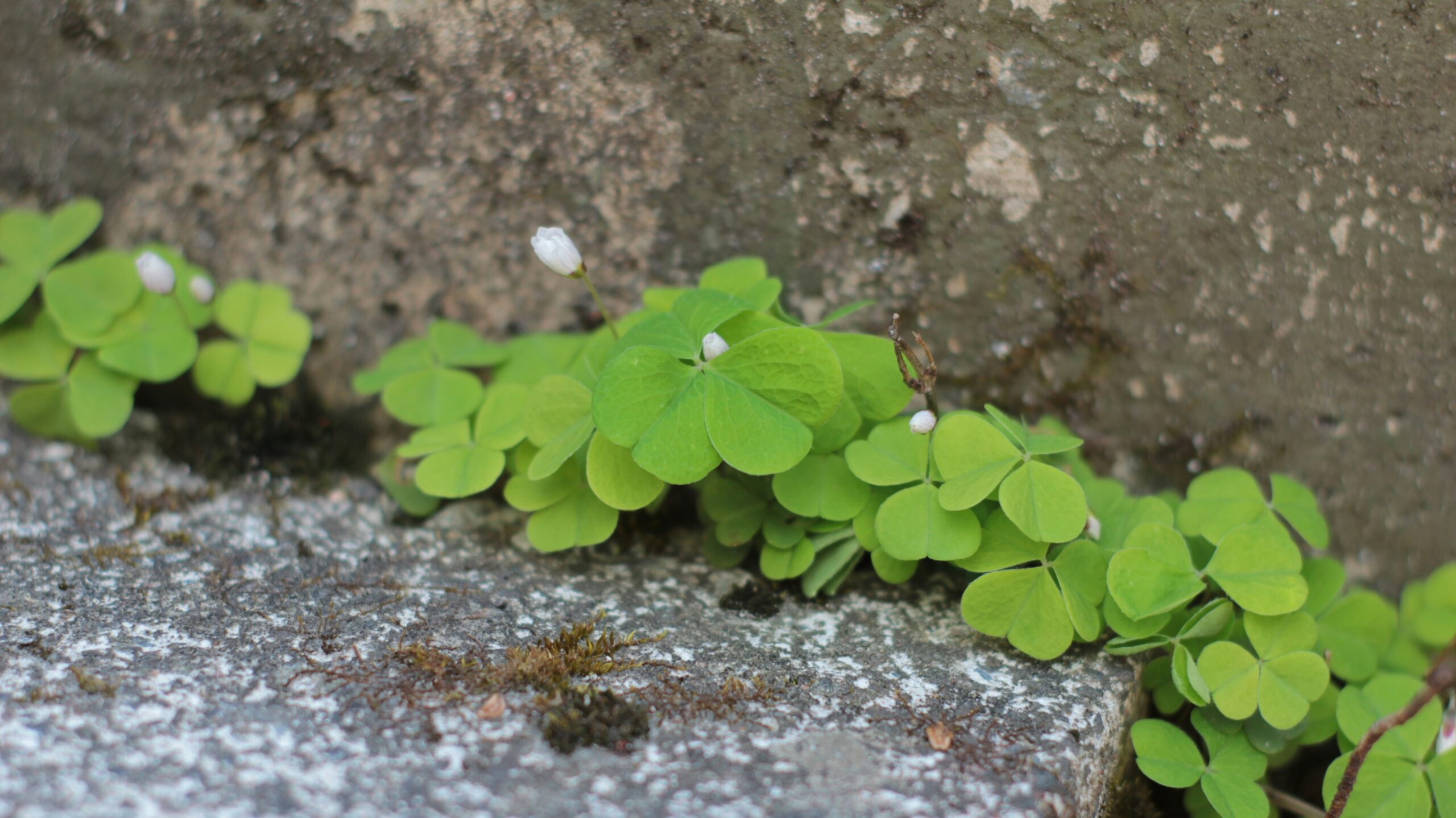
Image: Wood Sorrel
A sad truth the forest faces is the toxicity endangering its wildlife. The Rhododendron ponticum shows no compassion, consumed by its own survival.
Its nectar and pollen hold grayanotoxins — a vengeful poison that spares no pollinator. Bees and insects that drink from its flowers are deceived by beauty unfamiliar to their native homes, poisoned without mercy.
The Home Stretch: A Return to Familiar Lands.
In its native range, the Turkish, Spanish and Portuguese landscapes, it does not cause the same ecological cascade of harm that we see in Ireland and the UK. The wildlife tend to avoid the Ponticum, they know of its danger through evolution. Where one plant can become an avalanche of chaos, the same plant elsewhere thrives and lives in equilibrium with nature.
The Rhododendron ponticum is only a plant, one that found itself growing in the wrong soil. A vivid, flowery tree that thrives in a drier, hotter climate, where its petals glisten in the Mediterranean sun. Its roots do not understand boundaries or nations; they seek nutrients and life like any other. The Ponticum does not chase approval, only sunshine, soil and the desire to exist. No malice. No thirst for devastation. When the veil of truth is lifted, we remember that restoration is not vengeance. It is care — our way of guiding life back to where it belongs, rooting in soil that welcomes its presence. The quiet return to lands that shower it with gratitude and love.
You can explore more of our environmental and project updates on our website.